
The Science of the Good Night: How Your Home Affects How You Sleep

Sleep is often treated as something the body does on its own. But sleep researchers see it differently. Sleep is shaped by the environment around you, and the room you sleep in plays a real role. Light, temperature, sound, and air quality all send signals your nervous system is reading.
A well-designed home is quietly working in your favor every night.
Light
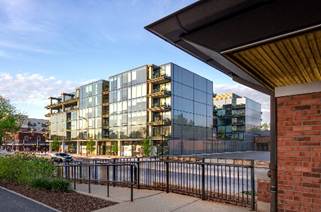
Light is the strongest cue for the body’s internal clock. Morning daylight anchors the circadian system and sets the timing for melatonin release later in the day. Optima Verdana’s mixed-use design in the heart of downtown Wilmette gives residences generous glazing and abundant daylight, with over 60 acres of lakefront within walking distance for natural light exposure throughout the day.
Temperature
Core body temperature drops as you fall asleep, and that drop is part of what triggers sleep. The Sleep Foundation recommends a bedroom temperature between 65 and 68 degrees Fahrenheit, with a broader range of 60 to 67 often cited for adults. Optima Verdana’s Green Globes certification reflects a commitment to thermal performance, with bird-friendly glazing and green concrete contributing to a stable, comfortable interior climate.
Acoustics
The brain continues processing sound during sleep, which is why intrusive noise can disrupt rest even when you don’t fully wake. Good acoustic design isn’t about silence but about reducing unpredictable sound, through dense materials, careful wall assemblies, and quiet mechanical systems. Optima Verdana’s concrete construction and considered detailing help keep the everyday hum of urban life from intruding on rest.
Air and Atmosphere
Indoor air quality and humidity affect breathing and comfort throughout the night, with humidity in the 30 to 50 percent range generally considered ideal. Connection to greenery and natural light also matters: research links these elements to reduced stress and better sleep. Optima’s signature vertical landscaping system wraps every private terrace in luxuriant foliage year-round, keeping that connection to nature within view from inside the residence.

Designed for Rest
At Optima Verdana, the variables that shape a good night’s sleep, daylight, thermal comfort, acoustic ease, air quality, and connection to nature, are considered as part of the home itself.


Latest Articles

What Living Across the Optima Portfolio Has in Common

Evenings on the Sky Deck
